Field Requirement Mapping
We translate depth, geology, pressure windows, mobility limits, mud plans, power availability, and local HSE rules into an equipment conversation that can be shared across procurement, engineering, and operations.
Schlumberger service planning starts before a purchase request is written. The discussion connects drilling objective, formation uncertainty, rig availability, downhole measurement, crew exposure, and long-term service continuity so each equipment recommendation can be defended by practical operating logic.
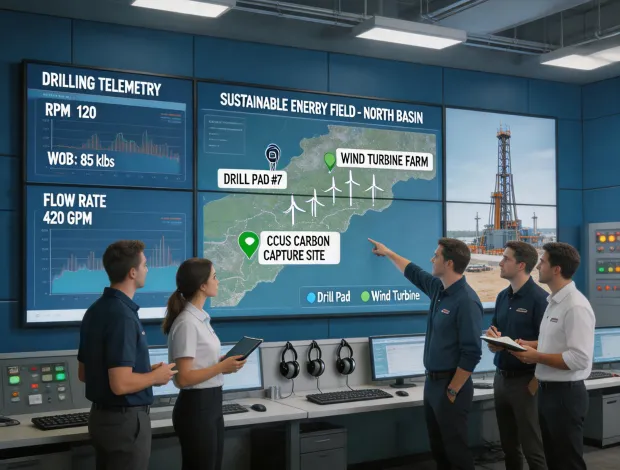
We translate depth, geology, pressure windows, mobility limits, mud plans, power availability, and local HSE rules into an equipment conversation that can be shared across procurement, engineering, and operations.
Downhole gauges, vibration indicators, torque trends, and remote condition views are considered early, because reliable data often determines whether the selected equipment creates a safer and more predictable campaign.
Recommended packages include service access, spare readiness, documentation, crew training, and support escalation paths so the site can recover quickly when operating conditions change.
Clarify target depth, expected formations, rig access, temperature, pressure, and safety constraints.
Identify downhole signals, gauge placement, communication needs, and reporting expectations.
Connect rig, bit, directional, fluids, and service components into one practical shortlist.
Review logistics, maintenance, spares, response windows, and local support limits.
Summarize scope, operating assumptions, sustainability goals, and commercial next steps.
Depth target, formation variability, fluid compatibility, crew model, remote support requirements, and emissions goals help us frame the first response around your real operating challenge.
Tell us about the basin, formation, mine plan, depth target, service window, and sustainability goals so the response can focus on practical equipment pathways.